Cancellation funnel: measuring the steps to churn
Churn is discovered after the fact, but the leaving itself is a sequence you can watch. The five events of a cancel flow, what drop-off at each one means, and the legal line every cancellation path now has to respect.
First split: who chose to leave
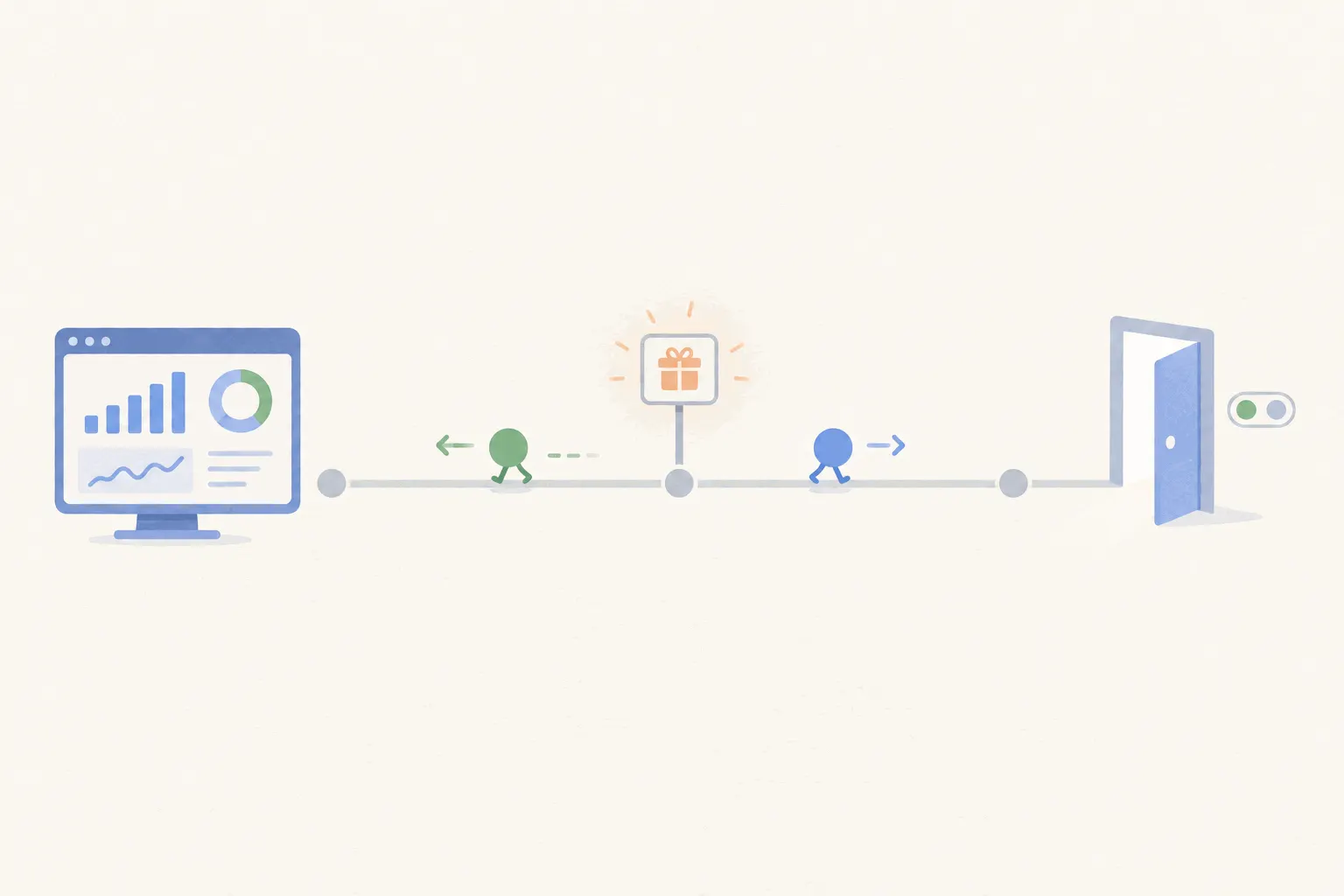
Churn arrives through two doors, and only one of them has a funnel. Voluntary churn is a decision made in your interface. Involuntary churn is a payment that failed while the customer intended nothing at all. The split matters because the remedies are unrelated, and it is measurable: Recurly's platform benchmarks put median SaaS churn at roughly 3.2 percent a month, about two thirds voluntary and one third involuntary, and ChartMogul's data shows the involuntary share swinging widely with customer size. If a third of your churn is failed cards, no cancel-flow work will touch it, and the fix is retry logic and dunning email rather than anything in this post. Separate the two in your reporting before doing anything else, because a churn spike that is actually a payment-processor hiccup reads identically in the monthly number.
Everything below is about the voluntary door.
The five steps of a cancel flow
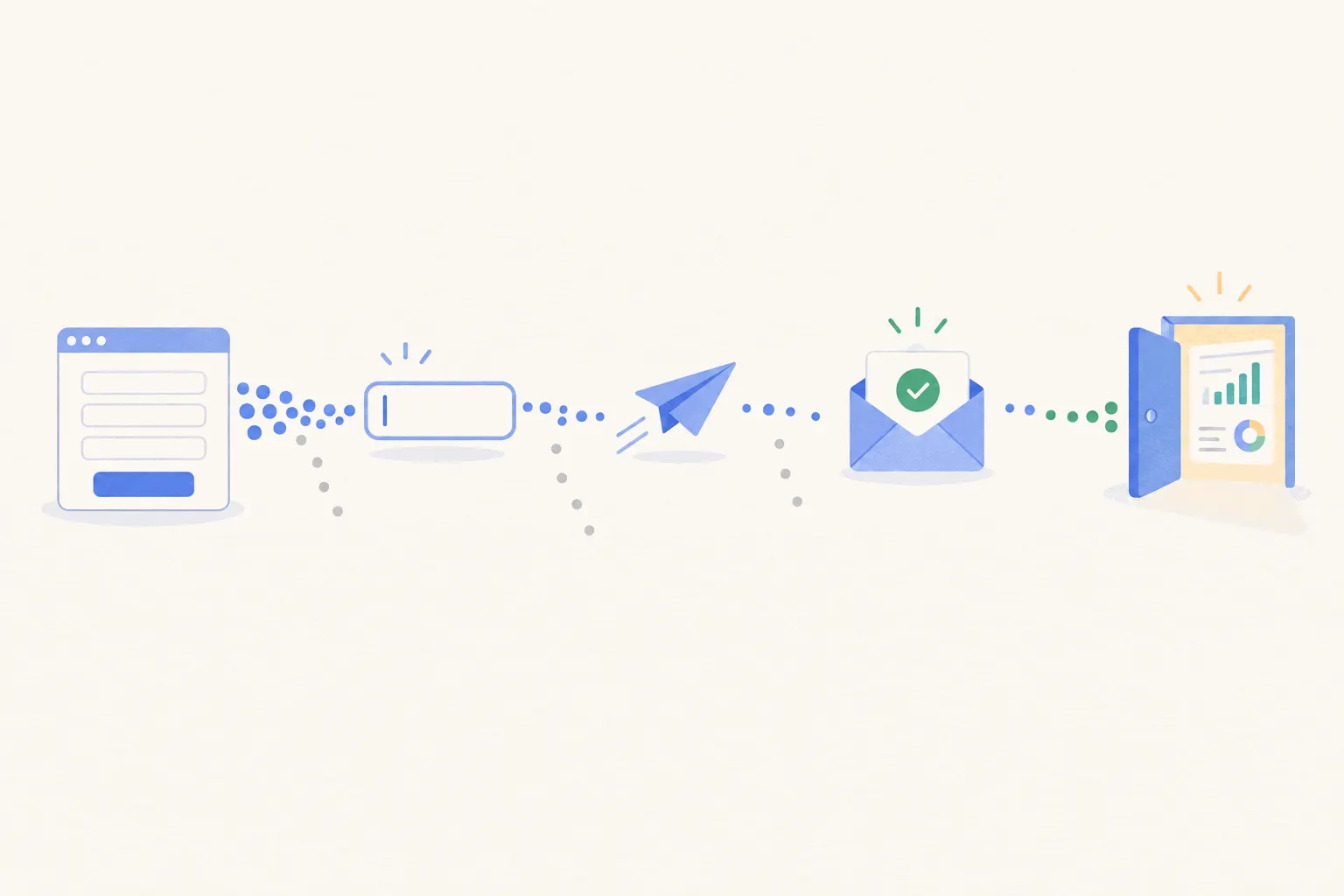
Cancellation page reached. Someone navigated to where cancelling begins, usually billing or account settings. This is intent, not churn: plenty of people check how hard leaving would be, or want to downgrade, or are hunting for an invoice. A rise here is your earliest warning, often weeks ahead of the churn number.
Cancel initiated. The actual "cancel my subscription" click. The gap between reaching the page and clicking is worth watching in both directions: if almost nobody who arrives clicks, the page may be doing its job, but if the gap is enormous, people may simply be failing to find the button, which is a problem with a legal dimension covered below.
Reason given. If you ask why, record the answer as an event property, not just a survey response in another tool, so churn reasons can be segmented like any other data. Keep the form to one question, since a mandatory essay at the exit door is friction of exactly the kind regulators have been naming.
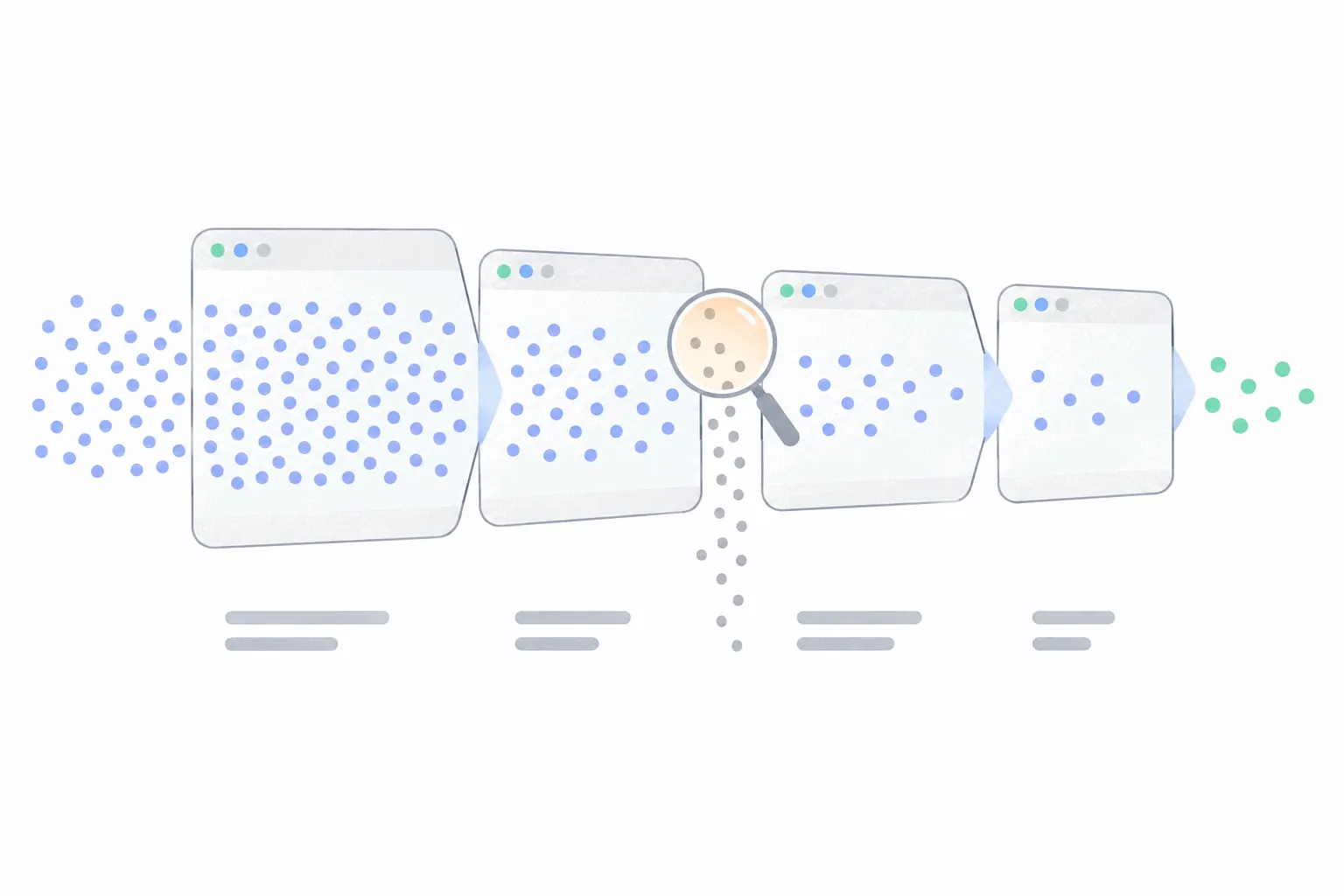
Save offer shown, and answered. The pause, the discount, the downgrade. Track the offer shown and the response as separate events, segmented by which offer it was. This is the one step in the funnel where "drop-off" is the goal: everyone who leaves the funnel here is a customer you kept. Acceptance patterns are diagnostic too. People taking pauses have a timing problem, people taking discounts a price problem, and people declining everything were done before the flow began.
Cancellation confirmed. The terminal event, fired from the backend when the subscription state actually changes. As with signup funnels, the browser's version of this event is a claim and the backend's is a fact, and reconciling the two occasionally surfaces the worst bug a cancel flow can have, the person who thinks they cancelled and keeps getting charged.
Reading the gaps
A completed cancellation that took eight steps and three minutes is not a better outcome than one that took thirty seconds. The interesting readings are comparative. Segment completed cancellations by tenure and plan, because month-two churn is an onboarding or expectation problem while year-two churn is product or pricing. Watch time-to-confirm: if it is long, people are either being genuinely saved mid-flow or ground down by it, and the save-acceptance rate tells you which. And watch for the flow's own failures, the rage clicks and errors on the confirm button, since a broken cancel flow produces support tickets, chargebacks and reviews rather than retention.
Small numbers apply double here. A healthy business has few cancellations, so read this funnel monthly and resist theorising from any single week, the same trap covered in funnel analysis.
The legal line under the friction
Cancel-flow friction has moved from bad taste to regulated territory, and the map as of September 2026 is worth knowing even secondhand. Germany has required a permanent two-click cancel button since 2022. California's updated auto-renewal law took effect in 2025 with an online "click to quit" requirement. The EU's withdrawal button rules began applying in June 2026. The US federal picture is messier: the FTC's click-to-cancel rule was struck down on procedural grounds in July 2025 days before taking effect, and the agency began the process of reviving it in early 2026, with New York City running ahead with its own rule from October 2026 and UK rules due the same autumn. The direction across every jurisdiction is identical, cancelling must be roughly as easy as subscribing, and building to that standard now is cheaper than tracking which of your customers' jurisdictions got there first.
The good news for measurement: an easy flow and an instrumented flow are the same build. The FTC's dark patterns report singles out the "roach motel", easy in and hard out, and none of the five events above requires one. A single save offer, plainly declinable, sits fine inside a two-or-three-click flow. Ten retention screens do not, and the funnel data they generate is garbage anyway, since drop-off inside a maze measures exhaustion, not persuasion.
Instrumenting it
Five events mirror the steps: cancellation page viewed, cancel initiated, reason selected, offer shown with its response, cancellation confirmed, with plan, tenure and reason carried as properties. In Bigdelta, any tracked event can be a funnel step, so the flow becomes a funnel with drop-off computed between every pair, and clicking a step opens the sessions behind it, including the JavaScript errors that coincide with a drop, which is how you catch the confirm button that fails silently in one browser. The chain this funnel closes runs the whole lifecycle: visitor to signup, the signup funnel, activation, and now the exit, each one instrumented the same way.
The practical takeaway
Split involuntary churn out first, then track five events through the cancel flow with reason and tenure attached. Read it monthly, treat save-offer acceptance as the step where losing people is winning, and keep the whole flow inside the two-or-three-click standard the regulators are converging on. The customers are leaving either way. The only question is whether you learn why on the way out.